


![Three OLMA caviar tins (Kaluga Royal, Osetra Gold, Osetra Malossol) displayed on a festive wooden table with candles in the background, conveying a luxury dining scene.”] } |? Wait format requires array of strings. Let's format properly.](https://olmafood.com/wp-content/uploads/2026/11/879856338_18350865697283601_6107504403131693403_n.jpg.webp)






Kaluga vs Osetra vs Siberian Caviar: What’s the Difference?


Line up three spoons of caviar—Kaluga, Osetra, and Siberian—and they look, at first glance, like variations on the same idea: glossy, dark, luxurious. Only when you start tasting do the differences come into focus. One is richer and more buttery, another more nutty and intricate, the third cleaner and brinier, like a colder stretch of sea. These three names now anchor most serious caviar lists, and they dominate search histories from home kitchens to restaurant buyers.
Treating them as rivals misses the point. Kaluga, Osetra, and Siberian are more like three dialects of the same language: related, but with distinct rhythms and inflections. Egg size, color, texture and flavor all shift subtly from one to the next, and the “best” choice has less to do with hierarchy than with setting—who is at the table, what else is being served, and what kind of caviar story you want the evening to tell.
Kaluga Caviar: Large, Luxurious, Butter-Rich
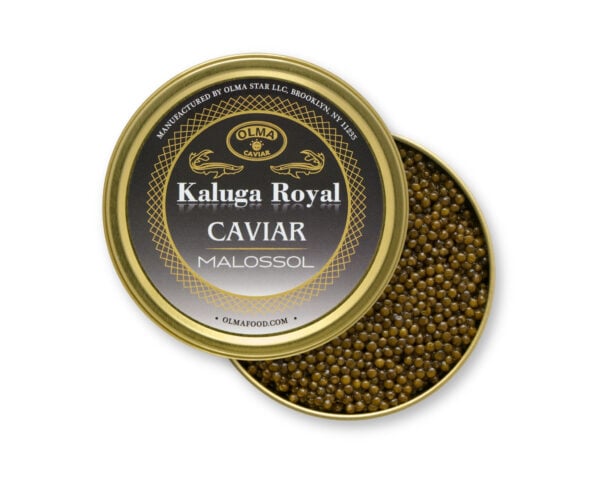
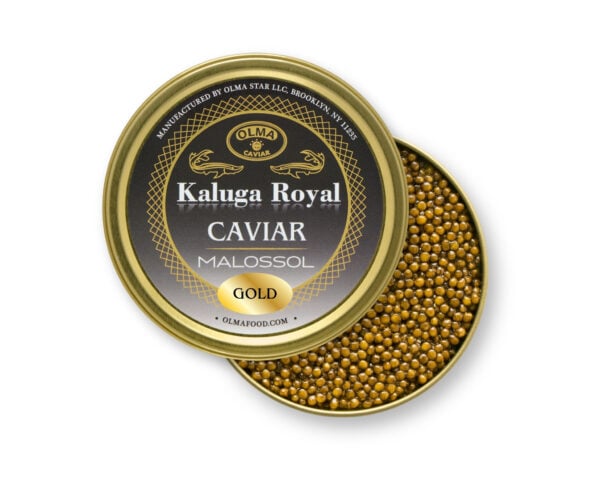
Kaluga caviar, from a sturgeon closely related to Beluga, is often described as Beluga’s sustainable, legally accessible cousin. The pearls are large and firm, among the biggest of commonly available caviars, with colors that run from warm amber to deep golden-brown. On a blini or spoon, they look immediately impressive.
The flavor is typically rich, buttery, and rounded. Instead of a sharp saline hit, Kaluga tends to offer a creamy, almost caramel-like depth with a soft brininess in the background. The texture gives a satisfying “pop” without being aggressive, which makes it especially friendly to newcomers.
- Egg size: Large, visually dramatic
- Color: Amber to golden-brown
- Flavor: Buttery, rich, mild salinity
- Best for: Spoon tastings, blinis where appearance matters, Champagne pairings
- Price tier: Upper mid to premium, often comparable to or slightly above many Osetra options
If you want caviar to feel obviously luxurious at first glance—big eggs, golden tones, a soft, opulent flavor—Kaluga is often the natural choice.
Osetra Caviar: Classic, Nuanced, and Balanced
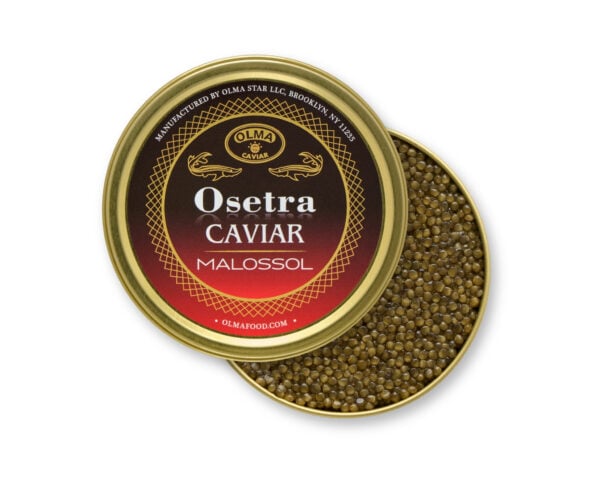
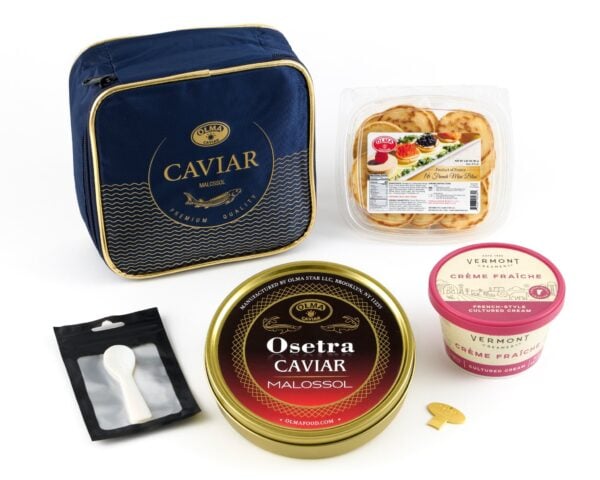
Osetra is the variety many people have in mind when they picture “classic” caviar. Traditionally produced from Russian or closely related sturgeon, it offers medium to large grains, usually a touch smaller than Kaluga, with colors that range from dark brown to olive and occasionally light gold.
What sets Osetra apart is its complex, layered flavor. Where Kaluga leans creamy, Osetra tends to bring nuttiness, gentle brine, and a subtle mineral edge. Some tasters find notes of toasted nuts or brioche; others focus on the clean, lingering finish. The texture is firm enough to pop lightly, but the eggs feel slightly more delicate.
- Egg size: Medium to large, classic grain
- Color: Dark brown to olive, sometimes golden
- Flavor: Nutty, briny, nuanced, with a refined finish
- Best for: Traditional caviar service, elegant appetizers, pairing with eggs, potato, or delicate seafood
- Price tier: Classic premium—often the benchmark against which others are compared
For many buyers wondering “what is the best type of caviar,” Osetra is the safest answer: traditional, versatile, and complex enough to impress without polarizing.
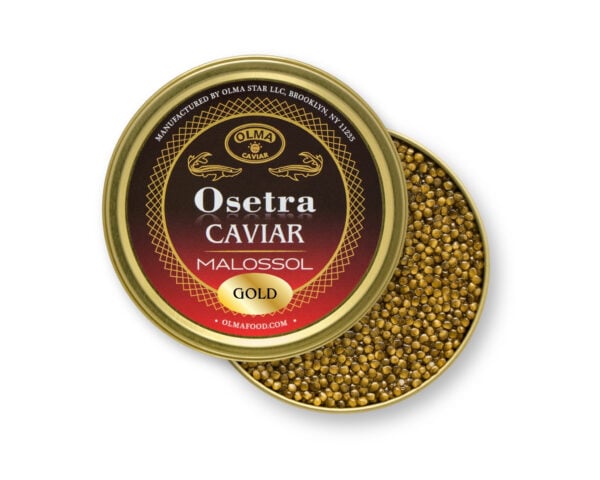
Siberian Caviar: Refined, Briny, and Food-Friendly
Siberian sturgeon caviar offers a slightly different expression. The eggs are generally smaller and more compact than those of Kaluga or Osetra, with colors that skew deep gray to charcoal, sometimes with a steel-blue cast. On the plate, it reads as sleek and understated rather than showy.
The flavor is often clean, briny, and focused, emphasizing a fresh sea character more than overt richness. Instead of butter or nuts, you tend to get a clear, savory salinity and a crisp finish. That makes Siberian a favorite in professional kitchens: it enhances a dish without overwhelming it.
- Egg size: Smaller, tight grains
- Color: Dark gray to charcoal
- Flavor: Clean, briny, elegant, with a direct sea note
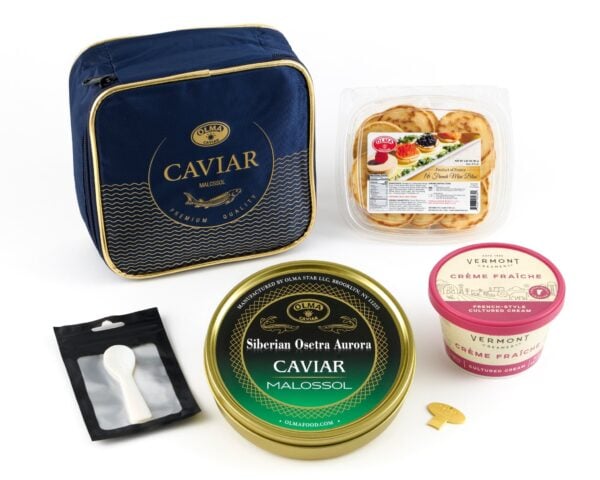
- Best for: Canapés, warm and cold dishes where caviar is a garnish, larger events
- Price tier: Often the most approachable, offering strong value for quantity
When the goal is to top many bites or integrate caviar into recipes—rather than spotlight it on its own—Siberian brings a refined profile at a more forgiving price.
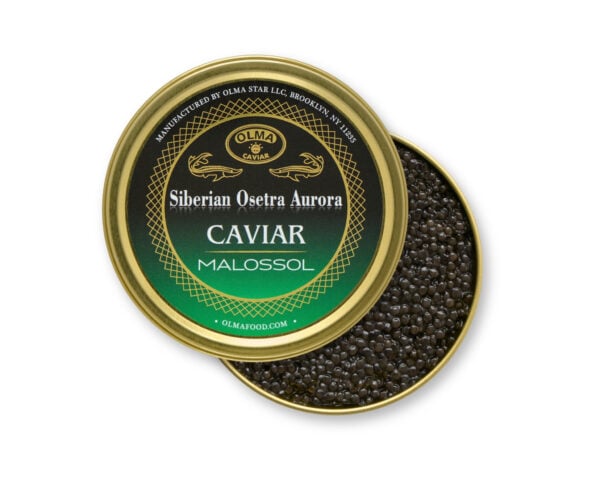
Kaluga vs Osetra vs Siberian: Side‑by‑Side Comparison
A side‑by‑side view highlights how each variety answers a different question rather than competing to be “best” in the abstract.
*Relative to each other; exact pricing varies by producer, grade, and harvest.
Seen this way, the “best type of caviar” depends on what you value in the moment:
- Choose Kaluga if you want a dramatic look and plush, buttery flavor.
- Choose Osetra if you want the classic, nuanced caviar experience.
- Choose Siberian if you want clean, briny elegance and strong value for parties or recipes.
What Is the Best Type of Caviar for You?
There is no single caviar that wins every comparison. Instead, Kaluga, Osetra, and Siberian each answer a different hosting scenario. For a first meaningful caviar purchase, many people start with Osetra for its balance of tradition and complexity. For an evening where presentation and richness matter most, Kaluga’s large, golden pearls are hard to resist. For a menu with many guests and many bites, Siberian often offers the smartest combination of flavor, finesse, and cost.